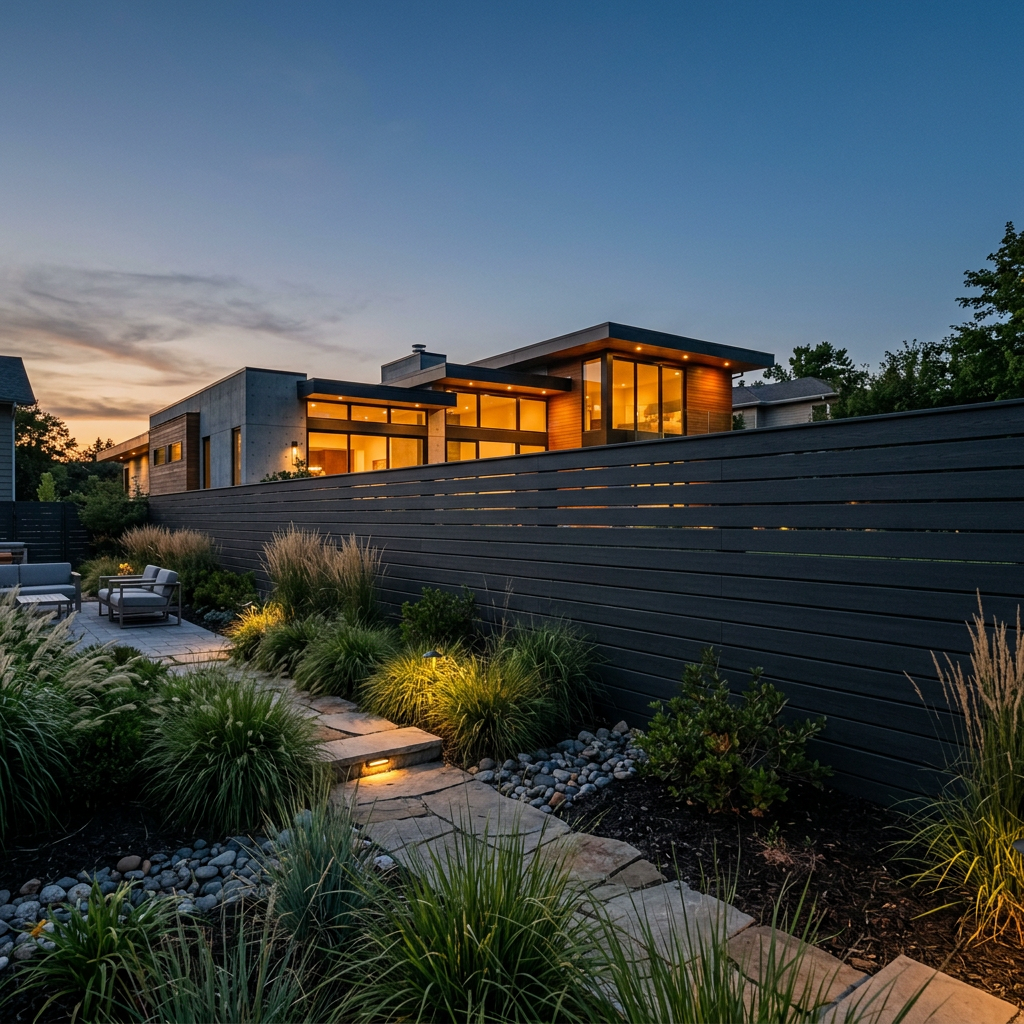
Trex vs. Cedar Fencing: Which Is Best for Utah Yards?
Comparing Trex composite and cedar fencing for Utah homeowners — cost, maintenance, durability, and which material wins in our unique climate.
fence
Jun 15, 2026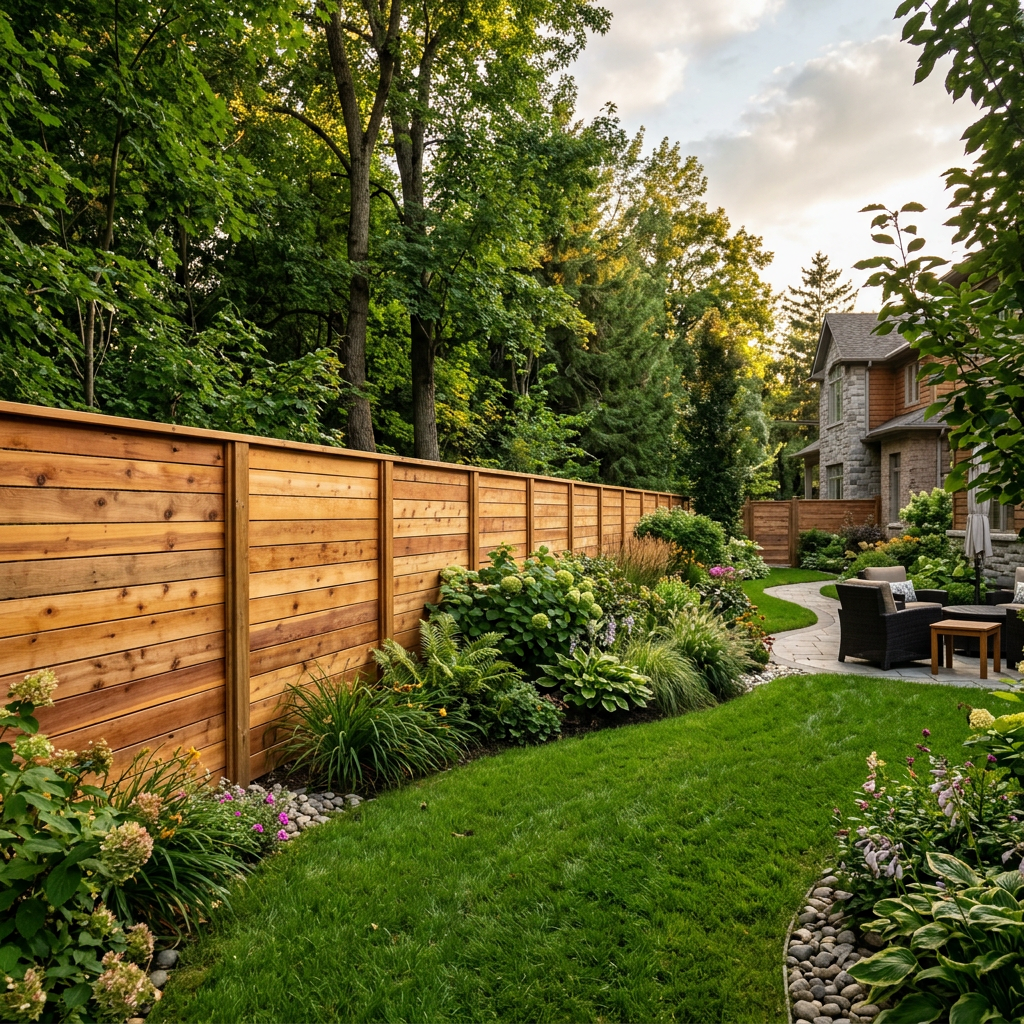
Pros: Natural warmth and beauty, customizable staining/painting, timeless appeal.
Cons: Requires staining every 2-3 years, susceptible to rot without maintenance, less durable long-term.
Pros: 25+ year warranty, zero maintenance, won't rot or splinter, consistent appearance, eco-friendly (95% recycled).
Cons: Higher upfront cost, less customization than wood staining options.
While Trex costs more upfront, when you factor in annual staining, repairs, and eventual replacement of cedar, Trex actually costs less over 20+ years.
Choose cedar if you love the natural wood aesthetic and don't mind annual maintenance. Choose Trex if you want set-it-and-forget-it durability and lower lifetime costs.
Next Step
Related Articles
Comparing Trex composite and cedar fencing for Utah homeowners — cost, maintenance, durability, and which material wins in our unique climate.
Thinking about a composite deck in Utah? We break down the real cost, maintenance savings, and ROI of Trex composite decking vs. wood for Utah homeowners.
Utah winters are hard on cedar fences. Here's a seasonal maintenance guide to protect your investment from freeze-thaw damage, snow loads, and UV exposure.
We use cookies and analytics tools to enhance your experience and understand website usage. By continuing to use this site, you consent to our Privacy Policy.