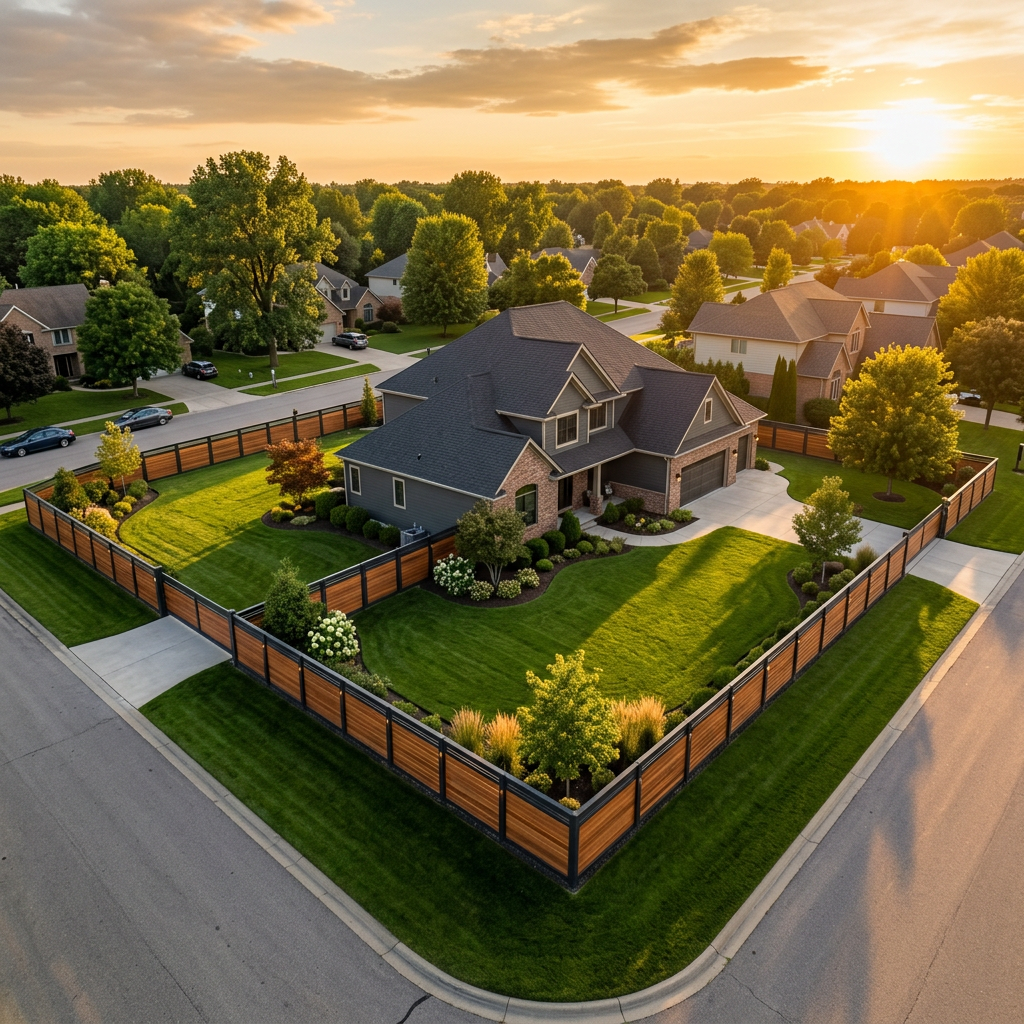
Composite Decking in Utah: Is Trex Worth the Investment?
Thinking about a composite deck in Utah? We break down the real cost, maintenance savings, and ROI of Trex composite decking vs. wood for Utah homeowners.
roi
Jun 10, 2026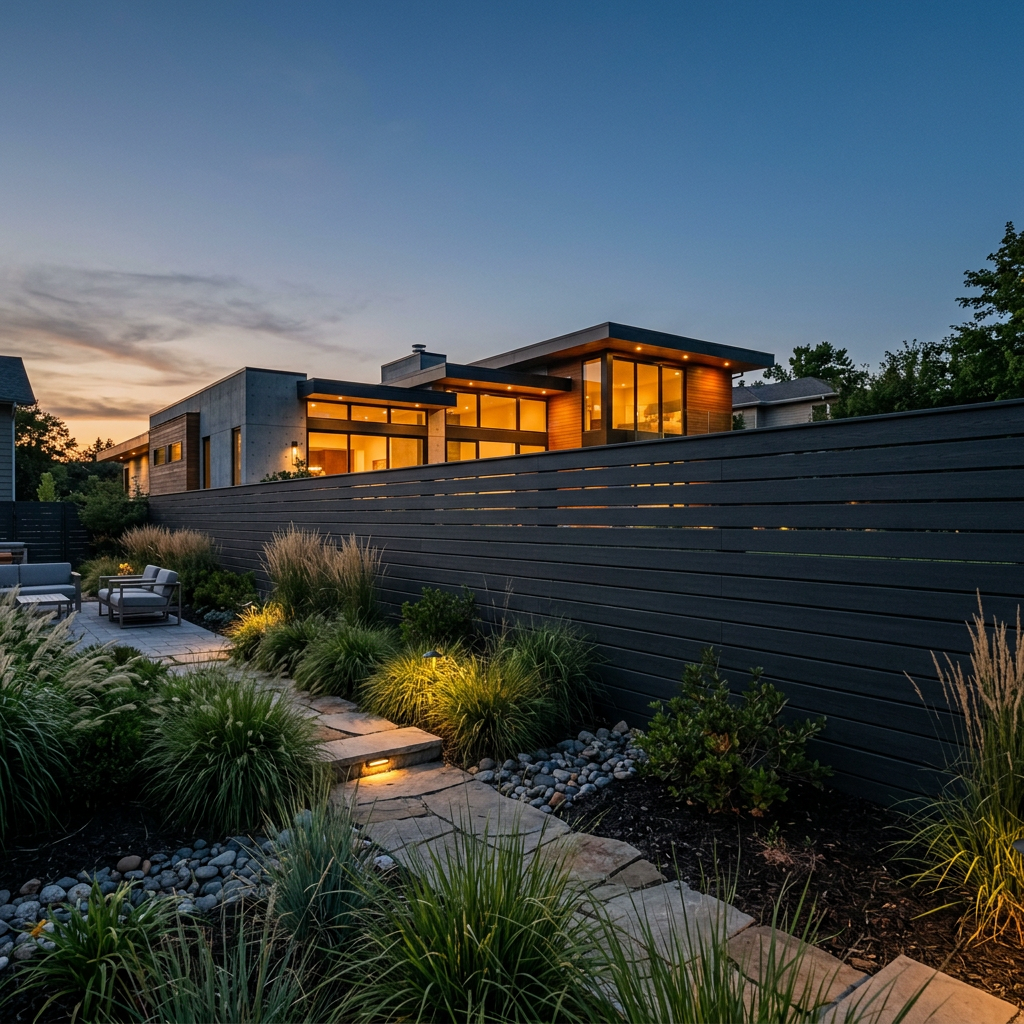
When Utah homeowners start researching fence materials, two names come up more than any others: Trex composite and cedar wood. Both are excellent choices, but they serve different priorities. This guide breaks down the real differences so you can make the right call for your property, budget, and lifestyle.
Trex composite fencing is made from 95% recycled wood fiber and plastic film. It's engineered to look like natural wood but never rots, warps, or splinters. Trex is backed by a 25-year fade and stain warranty — one of the longest in the industry.
Cedar wood fencing is crafted from natural western red cedar. It's naturally rot-resistant, stunningly beautiful, and has been the go-to fencing material in Utah for decades. Cedar requires regular maintenance but offers unmatched warmth and character.
Cedar is the more affordable option upfront. Most Utah homeowners pay between $25–$45 per linear foot for a cedar privacy fence installed. Trex composite runs higher — typically $35–$60 per linear foot installed — because the material itself costs more and installation requires specialized training.
However, the cost gap narrows significantly over time. Cedar requires annual staining or sealing ($500–$1,500 per treatment), and most cedar fences in Utah need board replacements by year 5–7 due to freeze-thaw damage. Over a 10-year window, Trex and cedar land in a similar total cost range — but Trex requires zero ongoing investment.
Utah's climate is brutal on fences. We get extreme temperature swings (100°F summers, sub-zero winters), intense UV exposure at altitude, heavy snow loads in the Wasatch Front, and dry conditions that crack and warp wood.
Trex is engineered specifically for these conditions. It handles freeze-thaw cycles without cracking, won't absorb moisture, and the color stays true for decades. Cedar performs well but requires maintenance to survive Utah winters — without regular sealing, cedar will crack, warp, and rot within 7–10 years.
Trex: Soap and water. That's it. No staining, no sealing, no sanding. Occasional cleaning keeps it looking new for decades.
Cedar: Annual staining or sealing is essential in Utah. Without it, cedar turns gray, cracks, and deteriorates rapidly. Plan for a full day of maintenance every year, plus periodic board replacements.
Cedar offers natural warmth and character that's hard to replicate. Every board is unique, and the wood develops a beautiful patina over time. Trex composite has come a long way — modern Trex products look remarkably like real wood — but purists can usually tell the difference up close.
Choose Trex if: You want a set-it-and-forget-it fence, you plan to stay in your home 10+ years, you value low maintenance, and your budget allows for the higher upfront cost.
Choose Cedar if: You love the natural look of real wood, you don't mind annual maintenance, upfront cost is a priority, or you're planning to sell within 5–7 years.
Not sure which is right for you? ABF Fencing installs both Trex composite and cedar fencing throughout northern Utah. We'll bring samples to your home, walk your property, and help you choose the material that fits your goals and budget. Contact us today for a free on-site estimate.
Next Step
Related Articles
Thinking about a composite deck in Utah? We break down the real cost, maintenance savings, and ROI of Trex composite decking vs. wood for Utah homeowners.
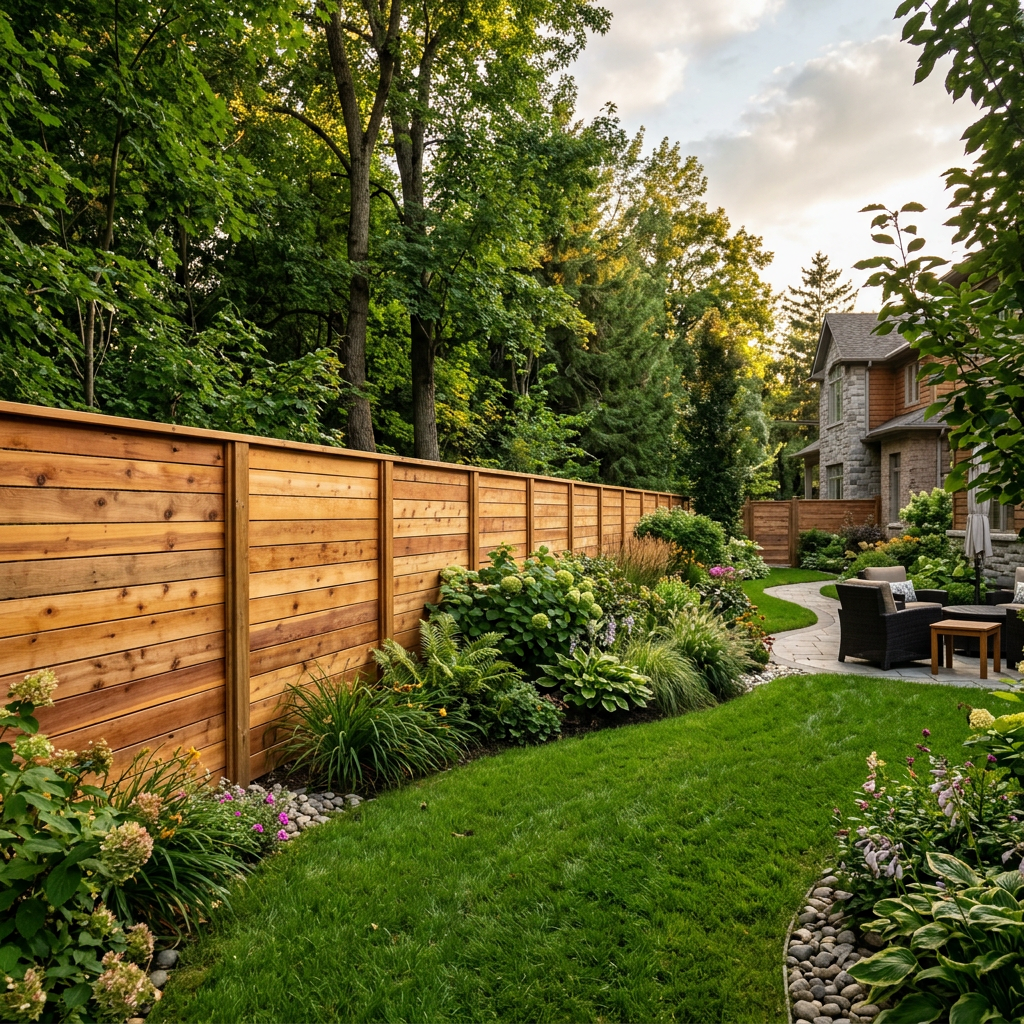
Utah winters are hard on cedar fences. Here's a seasonal maintenance guide to protect your investment from freeze-thaw damage, snow loads, and UV exposure.
From freestanding cedar structures to modern composite pergolas, here are pergola design ideas that add shade, style, and value to your Utah backyard.
We use cookies and analytics tools to enhance your experience and understand website usage. By continuing to use this site, you consent to our Privacy Policy.