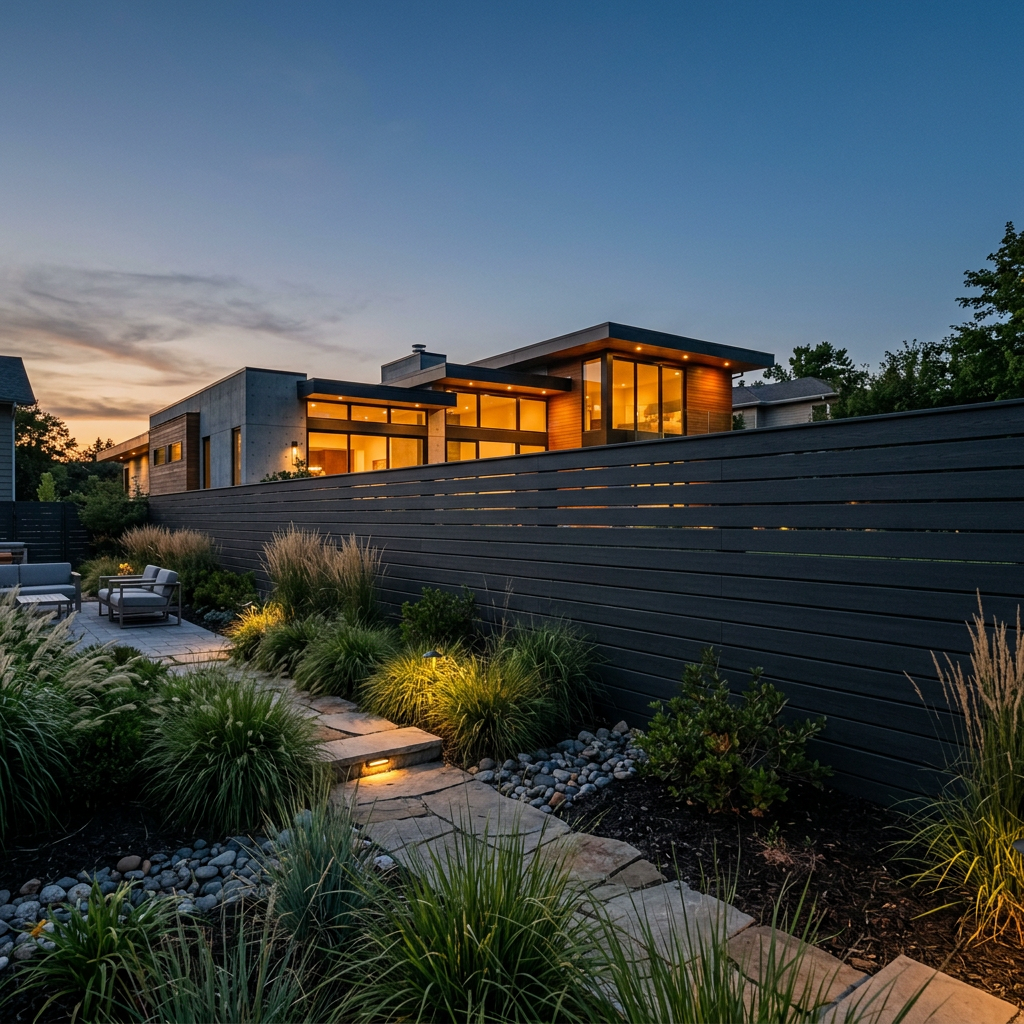
Trex vs. Cedar Fencing: Which Is Best for Utah Yards?
Comparing Trex composite and cedar fencing for Utah homeowners — cost, maintenance, durability, and which material wins in our unique climate.
fence
Jun 15, 2026One of the first questions homeowners ask when considering a new fence is: how much is this going to cost me? The honest answer is that it depends on several factors — material, length, height, and terrain. But we can give you real ballpark numbers based on what we see every day installing fences across Salt Lake City, Ogden, Provo, and surrounding areas.
Here's a general breakdown of installed fence costs per linear foot in northern Utah:
For a typical backyard with 150 linear feet of fencing, you're looking at roughly $3,750–$6,750 for cedar or $5,250–$9,000 for Trex composite.
Trex composite fencing costs more upfront than cedar, but many homeowners find it pays off over time. Cedar requires staining or sealing every 2–3 years to maintain its appearance and prevent rot. Composite requires virtually no maintenance and comes with a 25-year warranty. Over a 10-year period, the total cost of ownership is often similar — and composite looks better at year 10 than cedar does at year 3.
The best way to know exactly what your fence will cost is a free on-site estimate. Every yard is different, and we take the time to measure accurately, note any terrain challenges, and walk you through your material options. ABF Fencing serves all of northern Utah — Salt Lake City, Ogden, Provo, Lehi, Draper, Sandy, Herriman, South Jordan, West Jordan, Orem, and beyond.
Contact us today for your free, no-obligation estimate.
Next Step
Related Articles
Comparing Trex composite and cedar fencing for Utah homeowners — cost, maintenance, durability, and which material wins in our unique climate.
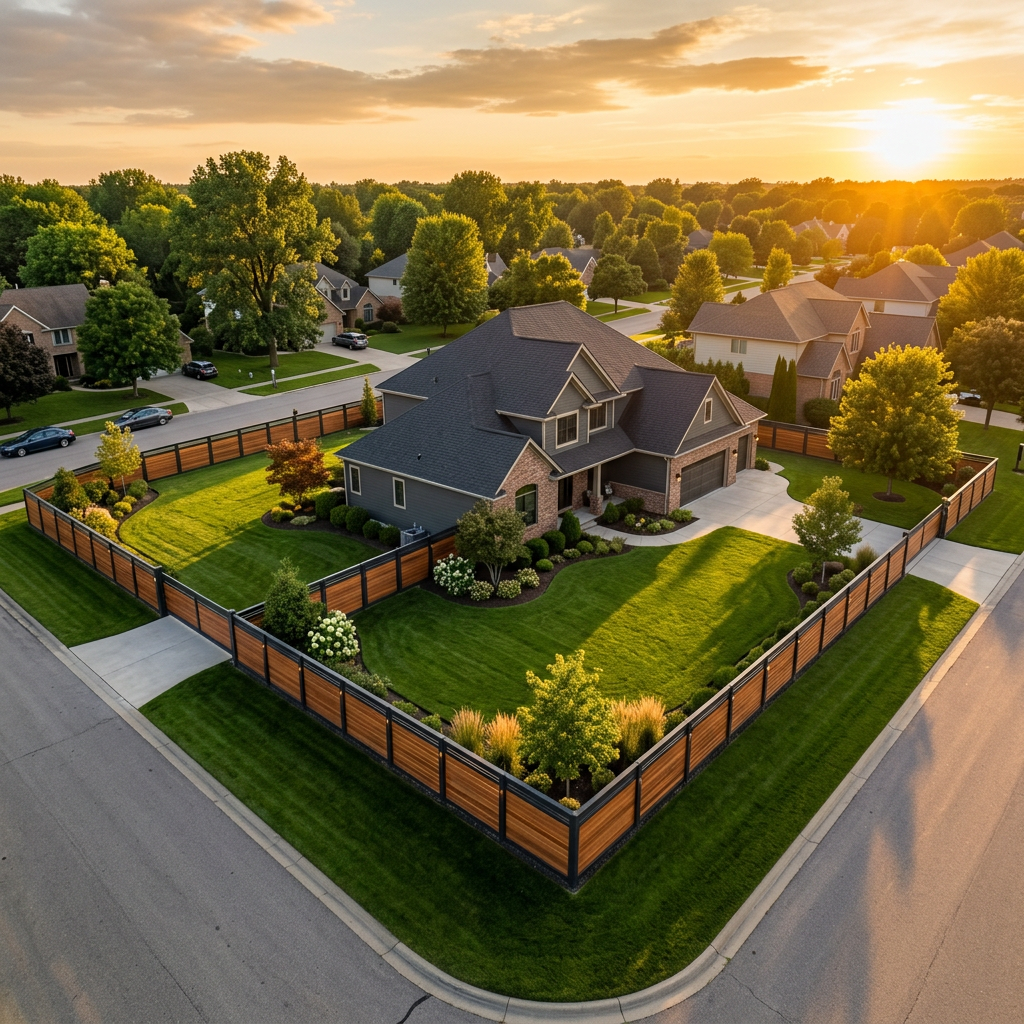
Thinking about a composite deck in Utah? We break down the real cost, maintenance savings, and ROI of Trex composite decking vs. wood for Utah homeowners.
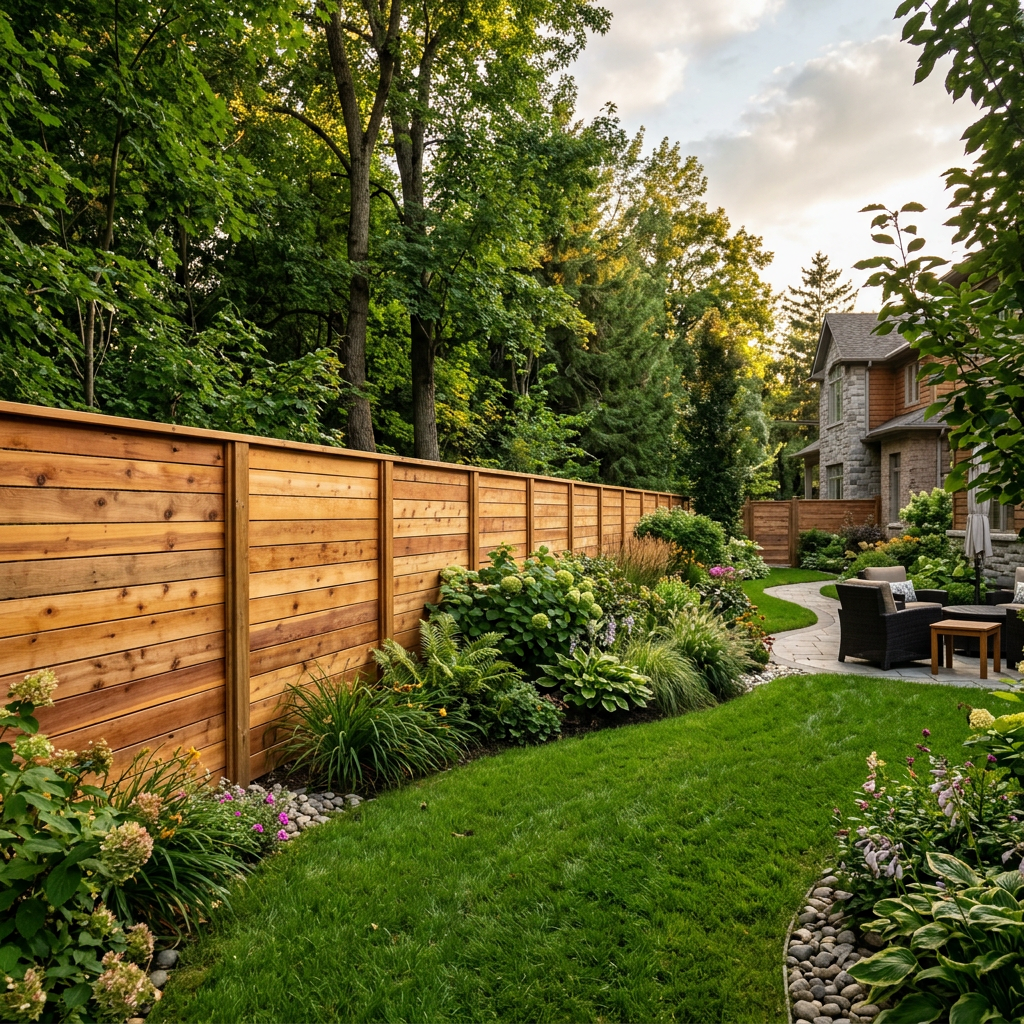
Utah winters are hard on cedar fences. Here's a seasonal maintenance guide to protect your investment from freeze-thaw damage, snow loads, and UV exposure.
We use cookies and analytics tools to enhance your experience and understand website usage. By continuing to use this site, you consent to our Privacy Policy.