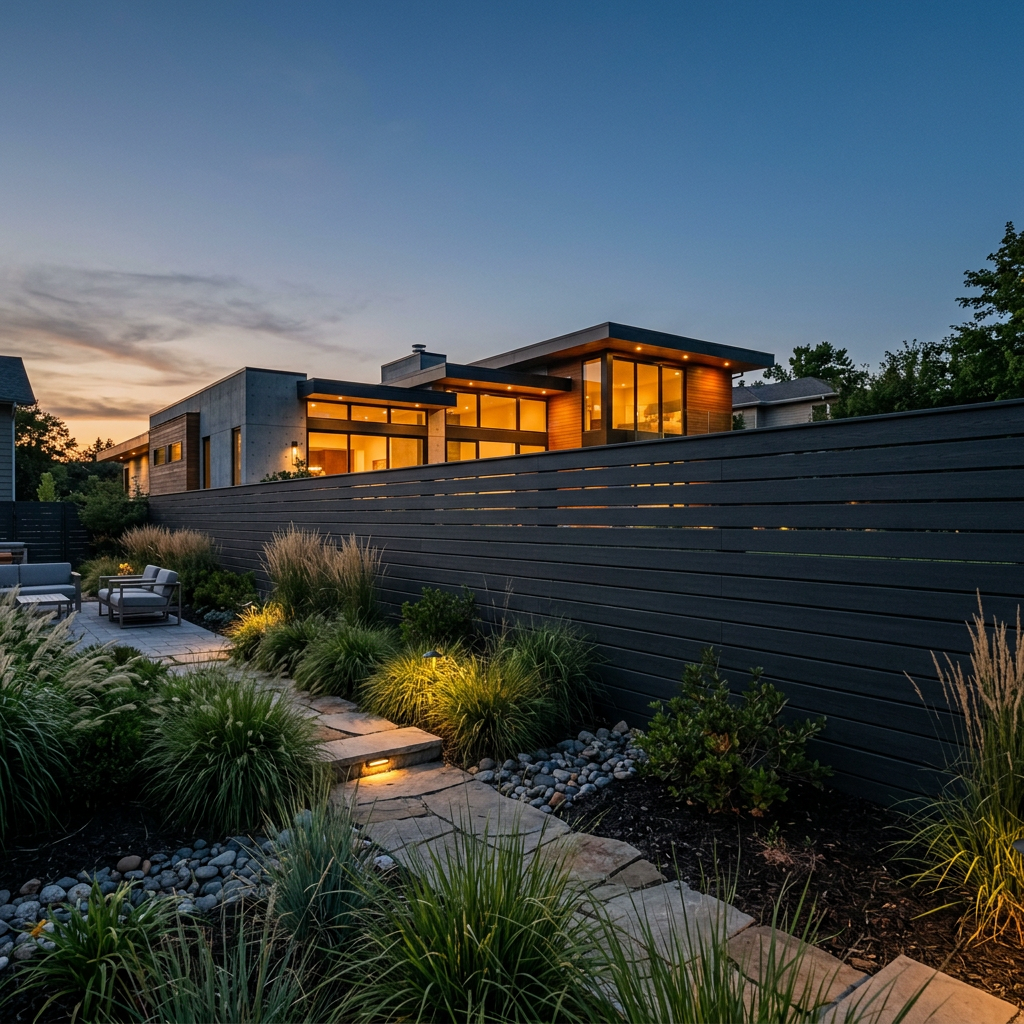
Trex vs. Cedar Fencing: Which Is Best for Utah Yards?
Comparing Trex composite and cedar fencing for Utah homeowners — cost, maintenance, durability, and which material wins in our unique climate.
fence
Jun 15, 2026
A pergola is one of the most versatile outdoor structures you can add to your Utah backyard. It provides partial shade, defines an outdoor space, adds architectural interest, and increases property value. Whether you want a cozy reading nook or an outdoor dining destination, here are design ideas to inspire your project.
Utah's climate is perfect for pergola use. Our intense summer sun makes shade essential, but full shade structures can feel dark and enclosed. A pergola's slatted roof provides filtered shade — enough to cool the space while keeping it open and airy. In spring and fall, a pergola extends your outdoor living season by providing shelter from direct sun without blocking the beautiful views.
A traditional cedar pergola never goes out of style. Natural cedar offers warm tones that complement Utah's landscape, from desert browns to mountain greens. A simple rectangular cedar pergola over a patio dining area creates an inviting, timeless outdoor room. Cedar is naturally rot-resistant and can be left to weather to a soft gray or stained to maintain rich color.
Design tip: Use 2x8 rafters spaced 12–16 inches apart for the classic slatted look that provides ideal filtered shade in Utah's intense sun.
For a contemporary look with zero maintenance, a Trex composite pergola is stunning. Composite pergolas offer clean lines, consistent color, and the same fade resistance as composite decking. They pair beautifully with a composite deck and fence for a cohesive, modern outdoor aesthetic. The premium upfront cost pays off in decades of maintenance-free enjoyment.
If you have an existing deck that gets too much sun, an attached pergola extends from your home's exterior wall, creating a shaded transition zone. This design is perfect for homes where the back door opens directly onto a sun-baked deck. Add outdoor curtains or a retractable canopy for adjustable shade.
A freestanding pergola placed in the yard — not attached to the house — creates a destination. Position it over a fire pit, hot tub, or outdoor seating area to define a separate zone within your backyard. This works especially well on larger Utah properties where you want to break up open space into distinct outdoor rooms.
Modern pergolas can incorporate built-in features that elevate the space:
A common mistake is building a pergola that's too small. For a dining area, plan for at least 10x12 feet. For a lounge area with seating, 12x14 or larger. The structure should feel generous, not cramped. Consider the furniture you'll place underneath and add 2–3 feet of clearance on all sides.
Most Utah cities require a permit for pergolas over 200 square feet or attached to the home. We handle all permit pulling and can advise on HOA requirements for your specific community.
ABF Fencing designs and builds custom pergolas throughout northern Utah — cedar, composite, freestanding, and attached. We'll help you choose the right design for your space, style, and budget. Contact us today for a free estimate.
Next Step
Related Articles
Comparing Trex composite and cedar fencing for Utah homeowners — cost, maintenance, durability, and which material wins in our unique climate.
Thinking about a composite deck in Utah? We break down the real cost, maintenance savings, and ROI of Trex composite decking vs. wood for Utah homeowners.
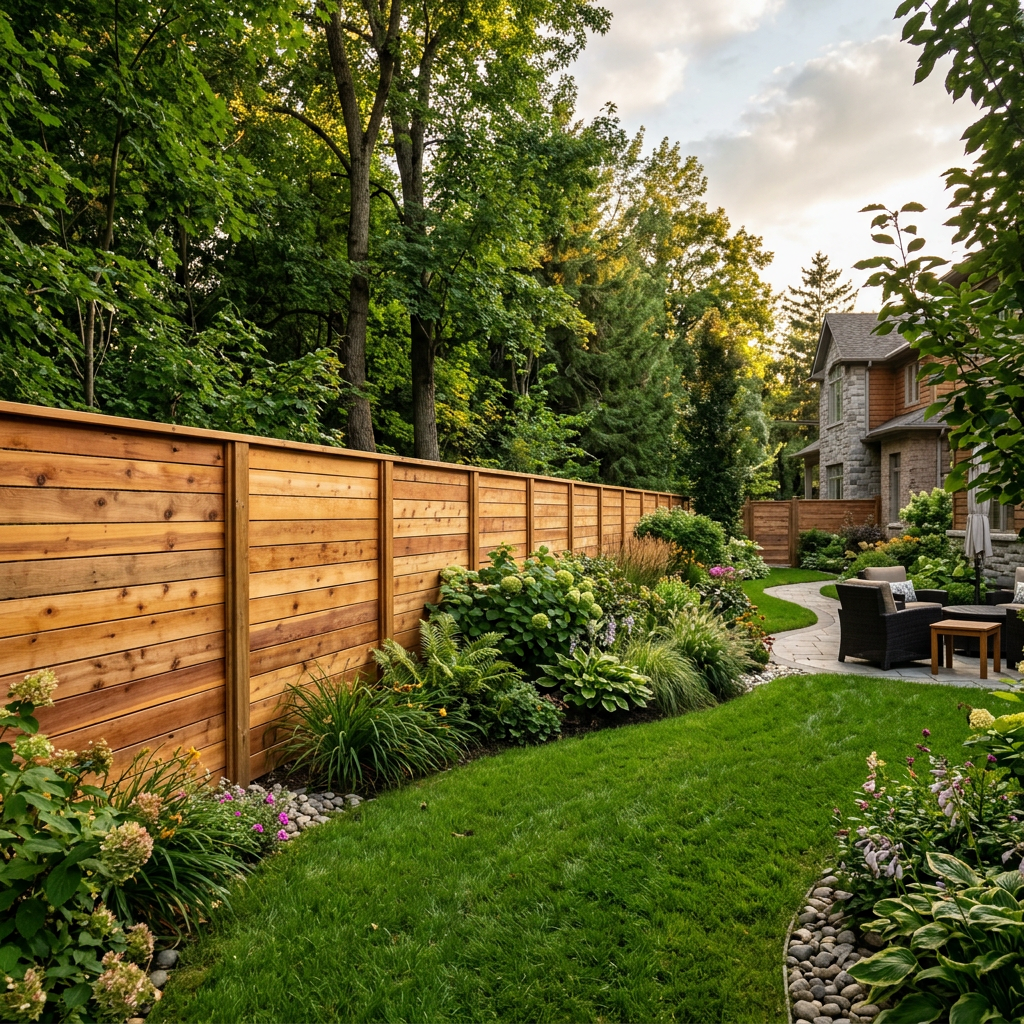
Utah winters are hard on cedar fences. Here's a seasonal maintenance guide to protect your investment from freeze-thaw damage, snow loads, and UV exposure.
We use cookies and analytics tools to enhance your experience and understand website usage. By continuing to use this site, you consent to our Privacy Policy.